Observability Issues on LangChain
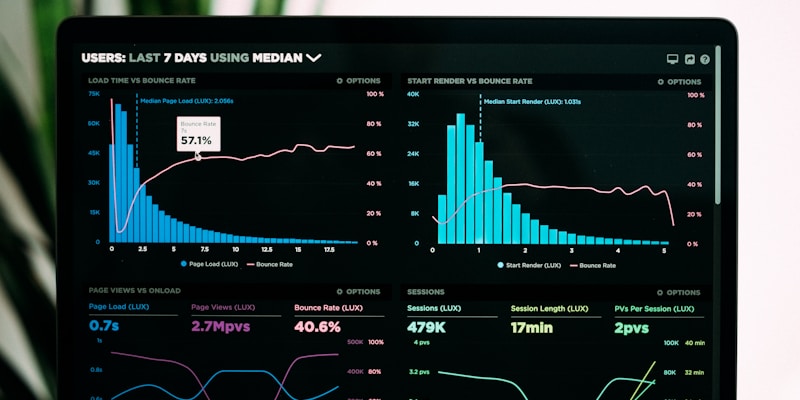
As AI applications become more complex and move into production environments, observability becomes a critical concern. LangChain, while powerful for building AI workflows, presents unique challenges when it comes to monitoring, debugging, and understanding system behavior.
The Core Challenges
When working with LangChain in production, I've encountered several recurring observability issues that can significantly impact system reliability and debugging capabilities.
1. Chain Execution Visibility
One of the most significant challenges is the lack of granular visibility into chain execution. When a complex workflow fails, it's often difficult to pinpoint exactly where the failure occurred and why. The default logging in LangChain provides basic information but lacks the depth needed for production debugging.
"The difference between a development environment and production is that in production, you need to understand not just what failed, but why it failed, when it failed, and what the system state was at the time of failure."
2. Token Usage Tracking
Cost management is crucial in production AI systems. LangChain's default behavior doesn't always provide clear visibility into token usage across different components. This makes it challenging to:
- Track costs per request or user
- Identify expensive operations
- Optimize for cost efficiency
- Set up proper billing and usage alerts
3. Performance Monitoring
Understanding performance characteristics of AI workflows is essential for maintaining good user experience. However, LangChain's default observability doesn't provide:
- Detailed timing information for each step
- Bottleneck identification
- Performance degradation alerts
- Capacity planning insights
Solutions and Best Practices
Implementing Custom Callbacks
The most effective approach I've found is implementing custom callbacks that integrate with your existing observability stack. Here's a basic example:
from langchain.callbacks import BaseCallbackHandler
import logging
import time

class ObservabilityCallback(BaseCallbackHandler):
    def __init__(self):
        self.start_time = None
        self.step_times = []

    def on_chain_start(self, serialized, inputs, **kwargs):
        self.start_time = time.time()
        logging.info(f"Chain started: {serialized['name']}")

    def on_chain_end(self, outputs, **kwargs):
        duration = time.time() - self.start_time
        logging.info(f"Chain completed in {duration:.2f}s")

    def on_llm_start(self, serialized, prompts, **kwargs):
        logging.info(f"LLM call started with {len(prompts)} prompts")

    def on_llm_end(self, response, **kwargs):
        token_usage = response.llm_output.get('token_usage', {})
        logging.info(f"Token usage: {token_usage}")
Integration with Monitoring Tools
For production systems, I recommend integrating with established monitoring tools:
- Prometheus/Grafana for metrics collection and visualization
- Jaeger or Zipkin for distributed tracing
- ELK Stack for centralized logging
- Custom dashboards for business-specific metrics
Real-World Implementation
In a recent project, I implemented a comprehensive observability solution that reduced debugging time by 70% and improved system reliability significantly. The key was creating a unified observability layer that captured:
- Request/response correlation IDs
- Step-by-step execution traces
- Token usage and cost tracking
- Performance metrics and alerts
- Error context and stack traces
Looking Forward
While LangChain continues to evolve, the observability challenges remain significant for production deployments. The key is to build observability into your architecture from the start, rather than trying to add it later. This requires:
- Planning observability requirements early
- Implementing custom callbacks and handlers
- Integrating with your existing monitoring infrastructure
- Creating dashboards and alerts specific to AI workflows
- Regular review and optimization of observability practices
The investment in proper observability pays dividends in reduced debugging time, improved system reliability, and better user experience. As AI systems become more complex, having comprehensive observability becomes not just a nice-to-have, but a critical requirement for production success.